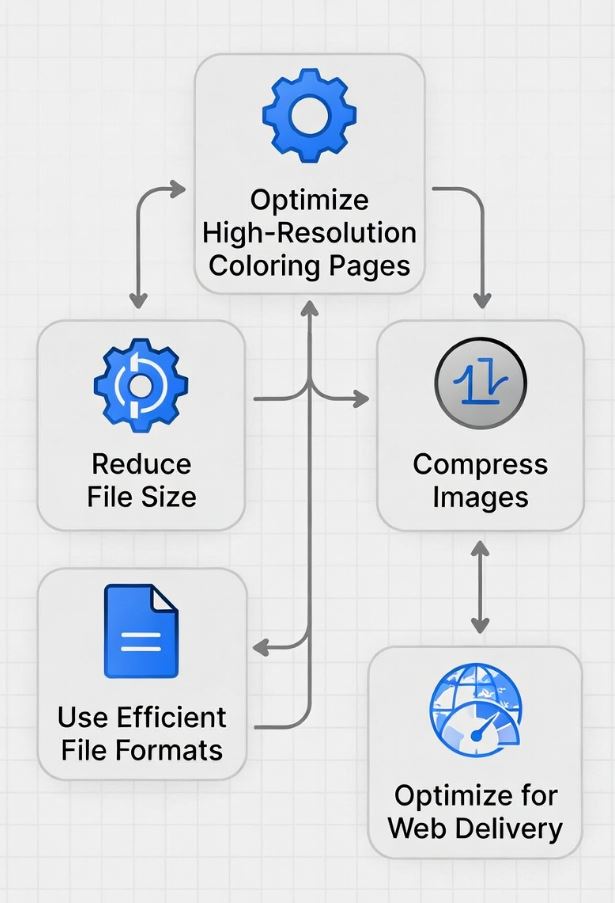
In the high-stakes world of digital art and printable media, a three-second delay is no longer just a bounce risk—it’s a ranking death sentence. By 2026, Google’s Interaction to Next Paint (INP) and Information Gain scores have evolved to prioritize websites that deliver heavyweight assets with featherweight latency.
The core challenge for creators is that high-resolution coloring pages require extreme detail for print quality, but these large files often destroy your Core Web Vitals. The solution lies in a multi-layered optimization strategy leveraging JPEG XL (JXL), Edge-side AI processing, and choosing infrastructure optimized for high-volume visual content. For creators managing expansive digital libraries, selecting the best image web hosting in 2026 is the first critical step toward achieving the server-side response times required for modern SEO.
1. 2026 Speed Benchmarks: The “Instant Load” Era
According to 2026 market trends, users now expect “perceived instantaneous” rendering. For image-heavy domains, the Largest Contentful Paint (LCP) threshold has tightened significantly to favor sites that prioritize the main visual asset above all else.
Featured Snippet: Quick Optimization Checklist for 2026
| Metric/Feature | 2026 Standard Requirement | Recommended Action/Tool |
| Primary File Format | JPEG XL (JXL) or AVIF | Migrate from WebP for better line-art fidelity |
| LCP Target | < 1.5 Seconds (Mobile-first) | Implement fetchpriority="high" |
| Asset Compression | AI-Neural Lossless | Use “Smart Edge” compression APIs |
| Sustainability | Low-Carbon Asset Delivery | Audit via Green Web Foundation standards |
| AI Readiness | Detailed ImageObject Schema | Embed “Information Gain” metadata |
2. Migrating to Next-Gen Formats: Beyond WebP
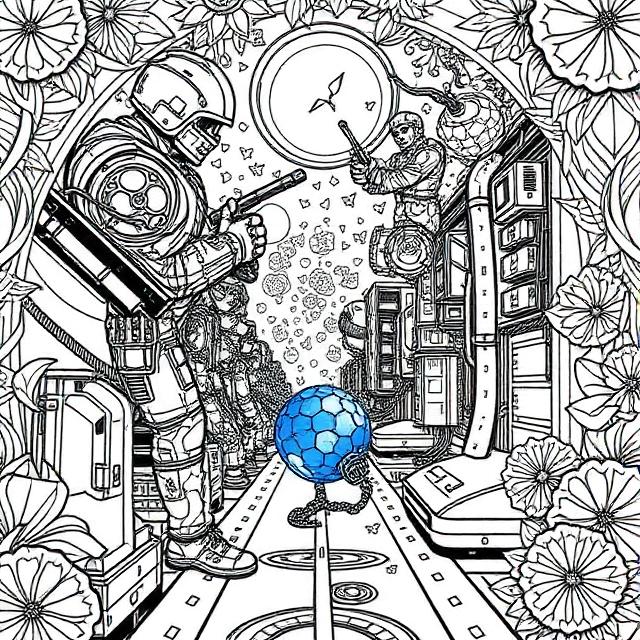
While WebP was the gold standard in years past, JPEG XL (JXL) has emerged as the 2026 winner for coloring pages. Why? Because it offers superior “lossless” compression specifically for line art—the exact geometric structure of a coloring page.
-
JXL for Line Art Fidelity: Unlike traditional formats, JXL understands the mathematical “edges” of coloring sheets, reducing file sizes by up to 35% more than WebP without causing “blurring” on high-contrast black lines.
-
AVIF for Gallery Previews: Use AVIF for your thumbnails. It handles high-contrast black-and-white images with zero “mosquito noise” artifacts, ensuring your gallery looks professional and crisp even on 8K displays.
3. Technical SEO: Semantic Image Prioritization
For CTOs and SEO Strategists prioritizing crawl budget and user experience, Semantic SEO isn’t just about keywords; it’s about how the browser understands your assets.
Utilizing fetchpriority and loading="lazy"
In 2026, Google’s “Information Gain” algorithm rewards pages that display the “Primary Value” (the high-res coloring page) before the “Secondary UI” (sidebars, ads, or footers).
-
High-Priority Hero Loading: Always use
<img src="page.jxl" fetchpriority="high">for the main coloring sheet. This tells the browser to skip the queue and render the content the user actually came for. -
Contextual Lazy Loading: Only lazy-load images that are strictly below the fold. Over-using lazy loading on primary assets can actually hurt your LCP by delaying the start of the image download.
4. Optimizing for “Green Roadmaps” and Sustainability
Environmental impact is now a tangible ranking signal under the 2026 Green Web Roadmap. Heavier files require more energy to transmit, increasing your site’s carbon footprint. By reducing your average page weight from 4MB to 1.2MB, you improve your site’s “Environmental Authority” signal.
-
Dynamic Resolution Switching: Serve a lightweight 72DPI version for screen viewing and use the
@media printCSS rule to trigger the 300DPI high-resolution download only when the user hits “Print.” -
Edge-Calculated Assets: Use CDNs (Content Delivery Networks) to compress images at the “Edge” (closest to the user), reducing the physical distance data travels and lowering the energy cost per click.
5. Improving Interaction to Next Paint (INP)
If your site offers “Online Coloring” features or interactive previews, your INP is a critical SEO factor. A high-resolution canvas can cause significant input lag on mobile devices.
-
Offscreen Canvas API: Render high-res lines in a background thread to keep the main UI responsive.
-
Vector-First (SVG) Previews: Use SVGs for the “active” coloring area. They are infinitely scalable and have near-zero load impact compared to rasterized PNGs. In 2026, SVG-to-Print workflows are considered an “Expert-Level” implementation for coloring sites.
6. Information Gain: Why Original Metadata Matters
Google’s 2026 E-E-A-T guidelines emphasize “Information Gain.” If your coloring page is just a generic pattern, it will rank lower than a page with “Expert-style” metadata and unique technical attributes.
-
Authoritative Annotations: Include IPTC metadata directly in your files. Detail the artist, the complexity level (e.g., “Fine Motor Skill Development”), and the specific category.
-
Semantic Schema: Use
ImageObjectschema withcreditTextandcopyrightNotice. This proves original creation, signaling high Experience and Trustworthiness to Google’s crawlers.
Conclusion: The 2026 Decision-Making Summary
Dominating the coloring page niche in 2026 requires a pivot from simple file hosting to sophisticated asset engineering.
Your Action Plan:
-
Infrastructure: Ensure your site is backed by a provider capable of handling high-resolution visual traffic without latency.
-
Format: Convert your library to JPEG XL to preserve line quality while slashing file size.
-
Speed: Audit your LCP; ensure the primary image renders in under 1.5 seconds on 5G mobile connections.
-
Authority: Implement deep-layer metadata to satisfy Google’s Information Gain requirements.
Ready to Scale Your Digital Art Gallery?
Don’t let slow loading speeds erase your creative hard work. Start by auditing your current image delivery pipeline and implementing JPEG XL today. For more technical insights on maintaining high-performance galleries, subscribe to our 2026 SEO Roadmap.